
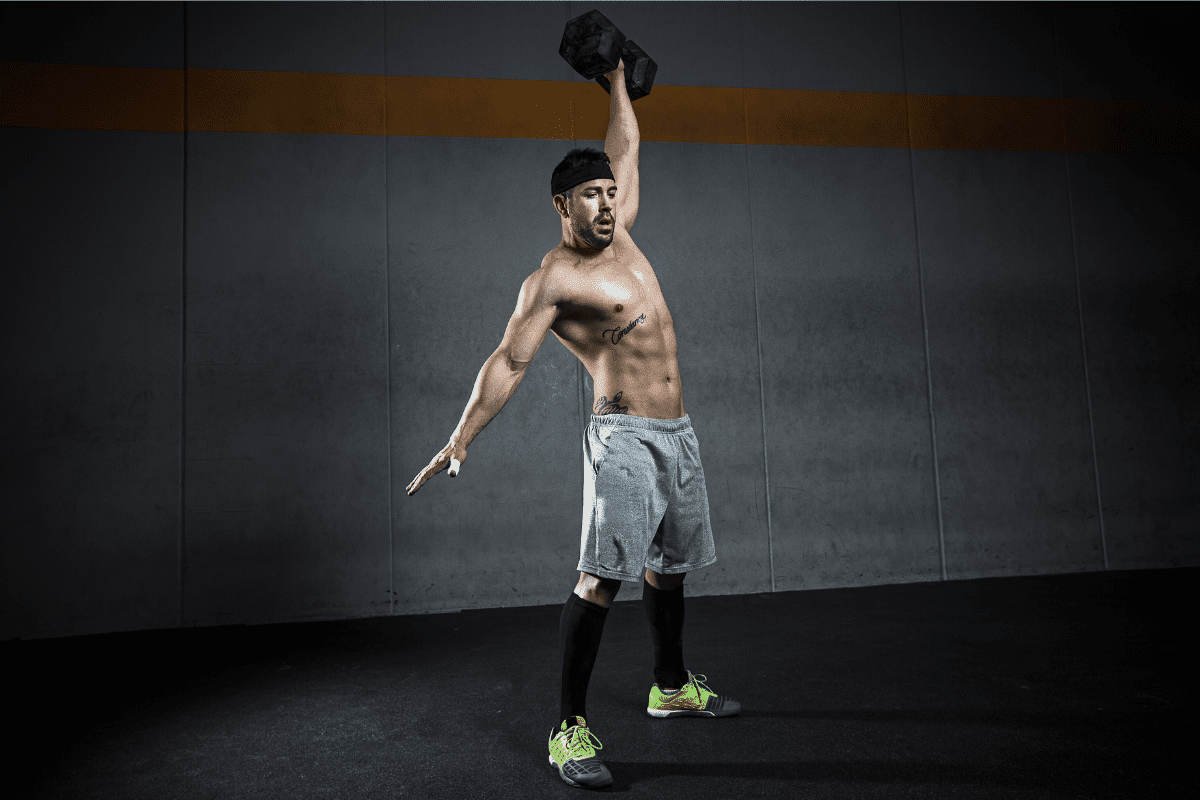
Single Arm DB Snatch (How To, Muscles Worked, Benefits)

DB Single Arm Snatch is such an underrated movement. It’s an Olympic Lift variation (of the Snatch) that is very beginner-friendly, doesn’t require much equipment (just a dumbbell) and is a great power-building exercise. What’s not to like?
In this guide, I’m going to teach you how to do a DB Single Arm Snatch, what it’s benefits are and a few alternatives in case you need a substitution.
How To Do a Dumbbell Single Arm Snatch
Equipment Needed
- Dumbbell
Muscles Worked
- Single Arm Dumbbell Snatches are a total body exercise. Almost every muscle group in the body is utilized at some point during the movement.
Step-by-Step Instructions
- Grab a dumbbell and stand with feet about shoulder-width apart.
- Put a slight bend in the knee, brace the core and set the back – shoulder blades pulled back, lats engaged, chest out.
- Hinge forward by pushing the hips back and let the dumbbell slide down right in between the knees, coming at a stop just below the knee.
- You are now in the ‘power position’.
- From here, drive the feet through the floor and aggressively extend the hips, driving the shoulders up and slightly back.
- As you reach triple extension of the hips, knees and ankles – use a quick, powerful shrug and allow the elbow to break and begin the pull with the arm.
- Keep the dumbbell close to the body as it travels up.
- Once the dumbbell reaches the highest point of the pull, rotate at the elbow to catch the dumbbell overhead while simultaneously dropping the hips into a quarter squat and shift the feet slightly out.
- Finish the rep by standing tall and lowering the dumbbell down to the shoulder first and then back to the starting position under control.
- Repeat until all reps are completed and then switch arms.
Coaching Points
The two biggest mistakes that I see with Single Arm Snatches are not keeping the dumbbell close to the body on the way up and letting the dumbbell ‘yank’ the shoulder down as it comes back to the starting point.
The dumbbell should travel close to the body all the up until it gets about head height, then rotate the elbow, drop the hips and catch. Don’t allow it to swing forward out away from the body.
The second technique flaw is not staying braced through the return of the dumbbell to the starting position, oftentimes from being in too big of a hurry to knock out reps. Letting the dumbbell, especially the heavier you get, yank the shoulder down at the bottom of the rep is asking for trouble.
Single Arm Snatch Benefits
As I mentioned at the top of this guide, Single Arm Snatches are an Olympic variation. Like with all Olympic lifting movements, these exercises help develop power through the triple extension of the hips, knees and ankles.
This movement, in particular, is great because of how beginner-friendly it is. It’s very simple to learn and you can be executing quality reps almost immediately.
DB Single Arm Snatch Alternatives
If you can’t do DB Single Arm Snatches for whatever reason (lack of equipment, injury, etc) then here are a few alternatives that you may be able to use as a substitute.
Need more options? Here are 10 of my favorite Dumbbell Snatch alternatives.
Hang Power Snatch
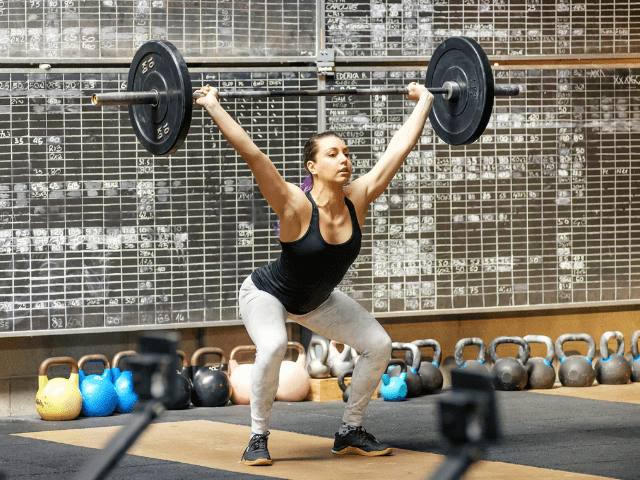
If you don’t have dumbbells, but do have a barbell, then you could opt for Hang Power Snatches.
They’re basically the barbell version of the exact same movement pattern. Using a bar does make the lift a bit more technical, but it also allows you to use more weight (make sure you have the technique down before using heavy weight).
Kettlebell Swing

Kettlebell Swings are very similar to Single Arm Snatches but are even more beginner-friendly. The hinge is the same and the drive is very similar but instead of catching a dumbbell overhead you just let the kettlebell swing out in front of you.
Pro Tip: If you don’t have a kettlebell, don’t worry. You can grab the head of a dumbbell and use it for kettlebell swings.
Med Ball Cannonball Throw
If all you have available to you is a medicine ball or if you still find all these exercises a bit intimidating – Med Ball Cannonball Throws may be a perfect replacement.
Again, the starting ‘power position’ is the same as all of the other lifts. But now, all you have to do is use your hips to throw the medicine ball as high as possible. That’s it.
Just make sure you don’t try to catch the ball straight out of the air as it falls back to the ground. That’s a great way to jam a wrist or finger. Catch it off the bounce from the ground and repeat.
More Links and Info
If you’re looking for more Olympic lifts and Olympic lift variations, head over to the Olympic Lift page in the Horton Barbell Exercise Library. Here you’ll find a growing collection of movements to help you develop strength and power.
