
Plank Leg Lifts (How To, Muscles Worked, Benefits)

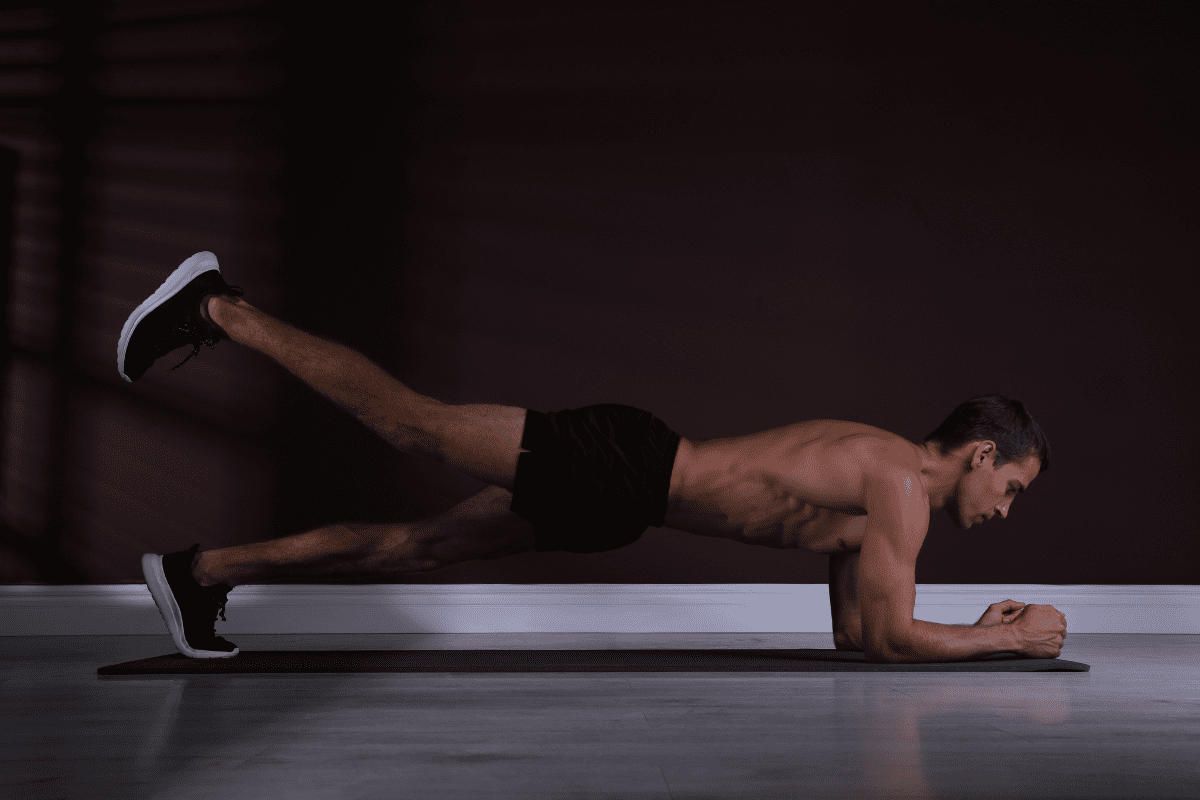
Plank Leg Lifts are a challenging yet effective exercise that targets multiple muscle groups in your body, most specifically your core and glutes. This exercise involves getting into a plank position and lifting one leg at a time while keeping your core engaged and your body in a straight line. Plank leg lifts are a great way to build core strength, improve balance and stability, and increase overall body control.
In this article, I will teach you how to properly perform Plank Leg Lifts. I’ll also go over their benefits, muscles worked and provide you with a few alternatives in case you need them.
How To Do Plank Leg Lifts
Equipment Needed
- None
Muscles Worked
- Rectus Abdominis
- Transverse Abdominis
- Obliques
- Glutes (Maximus and Medius)
Step-by-Step Instructions
- Start by getting into a plank position on your forearms and toes, with your elbows directly under your shoulders and your body in a straight line from head to heels.
- Engage your core muscles and flex your glutes.
- Lift one leg off the ground, keeping it straight and raising it up as high as you can without letting your hips sag or twist.
- Hold for a second or two, then lower your leg back down to the starting position.
- Repeat with the other leg, lifting it as high as you can without letting your hips sag or twist.
- Continue alternating legs, lifting each leg for a few reps before switching to the other leg until all reps are complete.
Coaching Points
Keep your core and glutes engaged throughout the exercise to maintain good form and prevent your hips from sagging or twisting.
Focus on lifting your leg as high as you can while maintaining a straight line from head to heels.
Keep your neck and shoulders relaxed and avoid letting your head drop or your shoulders hunch up towards your ears. Breathe deeply and steadily throughout the exercise, exhaling as you lift your leg and inhaling as you lower it back down.
You can quickly increase the difficulty of this movement by adding an ankle weight to each leg.
Benefits of Plank Leg Lifts
Plank Leg Lifts are a great way to strengthen your core, including your abs, back, and hips. This can help improve your posture and stability. They also require you to engage your stabilizer muscles, which can help improve your balance and stability.
Plank Leg Lift Alternatives
Whether you simply can’t do Plank Leg Lifts or you’re just looking for some variety, here are a couple of alternatives you may be able to use as a substitute.
Bird Dogs
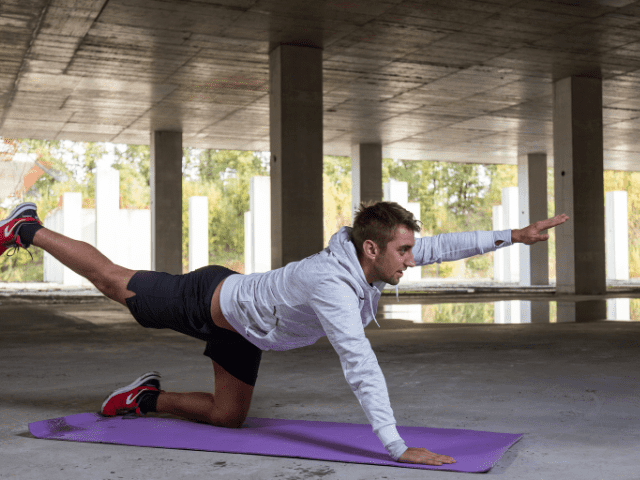
Bird Dogs is a very similar exercise that also works the core and glutes. The main difference being the movement is done on all fours (hands and knees) instead of from a plank position.
If you feel you’re inability to hold the plank is not allowing you to work your glutes properly with Plank Leg Lifts, then Bird Dogs might be the perfect solution.
Glute Bridges
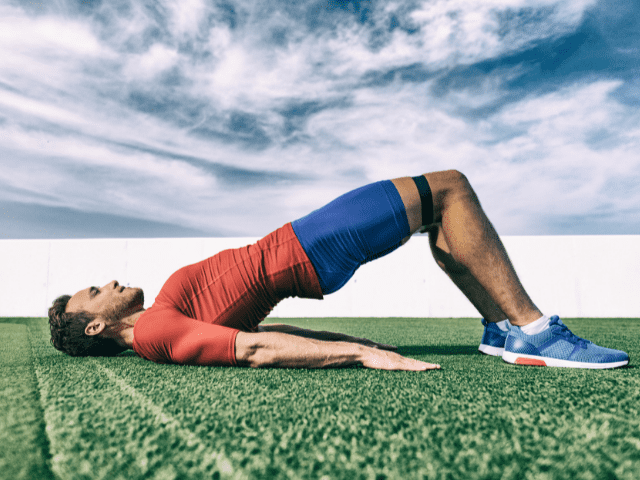
Glute Bridge is another great movement that targets the glutes. This would be one of my first suggestions if a hand, wrist or elbow injury is preventing you from being able to put weight on your arms for a plank.
Glute Bridges are done with your back on the floor and then driving your hips up and engaging your glutes.
More Links and Info
If you’d like to check out more core exercises, check out the Core section of our Exercise Library. There you’ll find dozens of movements, all with complete detailed instructions.
