
Stability Ball Knee Tucks (How To, Muscles Worked, Benefits)

Stability Ball Knee Tucks are a great way to build core strength and engage your hip flexors and quads. The use of a stability ball also adds an extra challenge to your balance and stability.
In this guide, I will teach you how to do Stability Ball Knee Tucks. I’ll also give you the benefits, muscles worked and some alternatives in case you may need them.
How To Do Stability Ball Knee Tucks
Equipment Needed
- Stability Ball
Muscles Worked
- Rectus Abdominis
- Obliques
- Hip Flexors
- Quads
- Erector Spinae (low back)
Step-by-Step Instructions
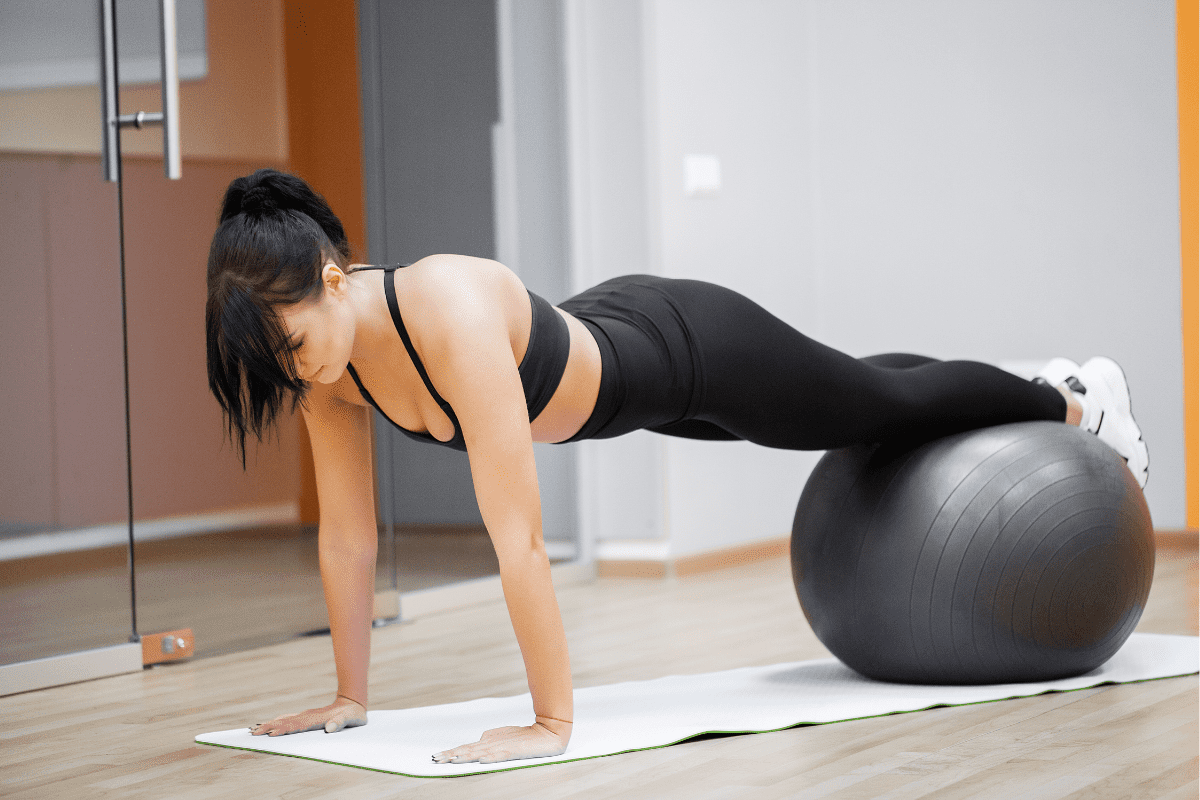
- Place a stability ball on the floor and kneel in front of it.
- Put your hands on the floor, shoulder-width apart, and extend your legs onto the ball behind you.
- Keep your back straight, engage your core muscles, and draw your shoulder blades down and back.
- Brace your abs and pull your knees towards your chest, rolling the ball forward.
- Pause for a second at the top of the movement, then slowly roll the ball back to the starting position, straightening your legs.
- Repeat for your desired number of reps.
Coaching Points
Keep your back straight, engage your core muscles, and avoid sagging your hips or arching your back. Be deliberate with your movements and focus on controlling the ball’s motion. This will help you stabilize your body and target the core effectively.
Benefits of Stability Ball Knee Tucks
This exercise is a great way to build strength in your core muscles, including the rectus abdominis and obliques. A strong core is essential for good posture, balance, and overall athletic performance.
The use of a stability ball challenges your balance and stability, helping you develop better coordination and control over your movements.
Stability Ball Knee Tuck Alternatives
Need an alternative for Knee Tucks? Here are a couple of alternatives you may be able to use as a substitute.
Hanging Knee Raises
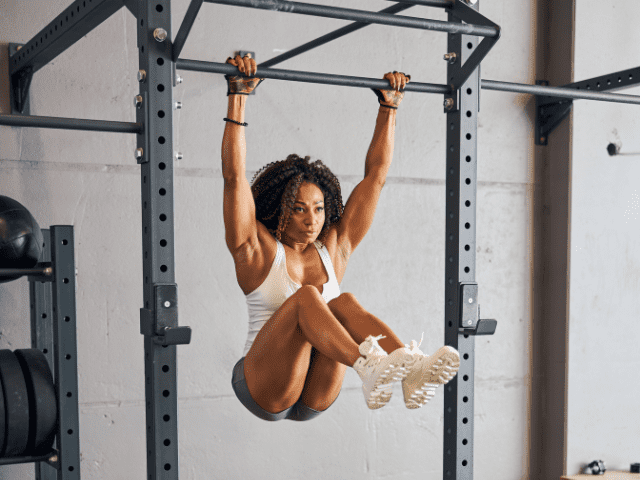
Hanging Knee Raises are a similar movement pattern and target the same muscle groups as stability ball knee tucks, but with a different variation.
Instead of using a stability ball, you hang from a pull-up bar and lift your knees towards your chest. Hanging Knee Raises are a great substitute because they provide a more challenging exercise that requires greater upper body strength and can also help improve grip strength.
Suitcase Crunches
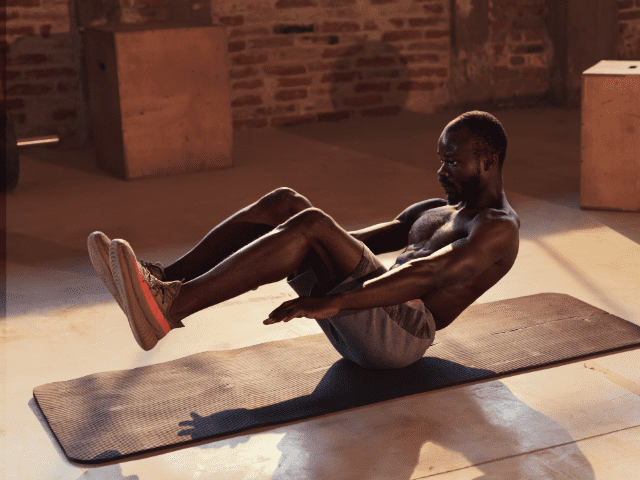
Suitcase Crunches are another good alternative exercise to Stability Ball Knee Tucks because they target the same muscle groups but are slightly easier to execute. Suitcase Crunches work the rectus abdominis, obliques, and hip flexors, just like Stability Ball Knee Tucks.
One advantage of Suitcase Crunches over Stability Ball Knee Tucks is that they do not require any equipment, which makes them a versatile exercise that can be performed almost anywhere.
More Links and Info
If you’d like to see more core exercises, check out the Core section of our Exercise Library. There you’ll find dozens of core movements, all with complete detailed instructions.
