

5 Exercises That Will Help You Get Better at Pull-Ups

Pull-ups are one of the best upper-body strength tests out there, but they’re also one of the most frustrating to improve. Whether you’re chasing your first strict rep or trying to increase your total, just grinding out more attempts isn’t the most efficient answer.
If your pull-up progress has stalled, it’s time to train the muscles and movement patterns that support it. That means focusing on control, strength, and body tension.
Here are five exercises that directly contribute to improved pull-up performance. Plug these into your weekly training, and you’ll build real strength where it matters.
1. Eccentric (Negative) Pull-Ups
If you can’t do a full pull-up yet, negatives should be your first go-to. Even if you can do a few reps, slowing things down and controlling the eccentric will clean up your form and build serious strength.
Start at the top of the pull-up position (use a box or jump if needed), and lower yourself as slowly as possible. Aim for 3 to 5 seconds under full control.
Why it works:
- Strengthens your lats, grip, and upper back through the full range
- Builds the exact pattern you need for strict pull-ups
- Helps bridge the gap between rows and full reps
Stick with sets of 3–5 quality reps. Rest between efforts. Control is the priority.
2. Ring Rows (or TRX Rows)
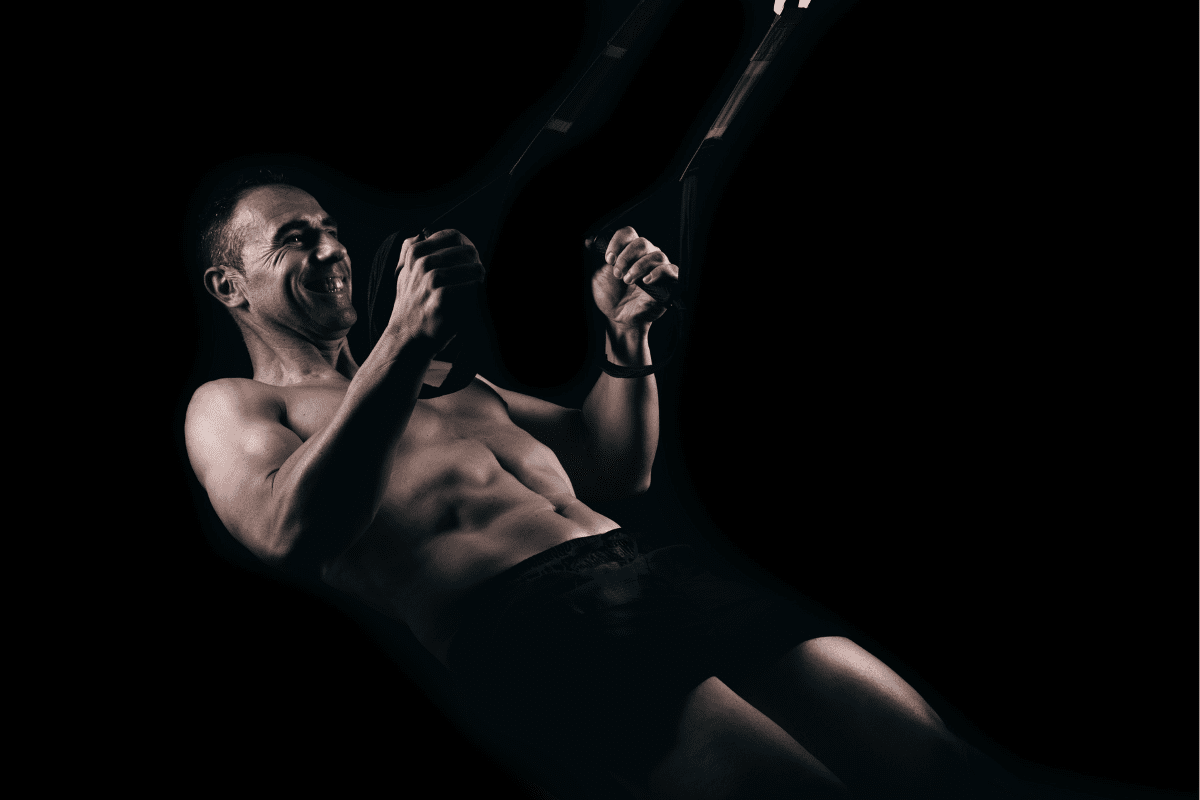
If you’re struggling to control your bodyweight on a vertical pull, start with horizontal pulling. Ring rows let you adjust the difficulty based on your strength level, so you can build volume and reinforce good mechanics without hitting failure.
The key is to stay tight: straight line from shoulders to heels, pulling your chest to the rings with control.
Why it works:
- Builds upper back, lat, and biceps strength
- Reinforces scapular retraction (pulling your shoulder blades together)
- Easy to scale: Walk your feet forward to make it harder, or back to make it easier
Use these for 3 to 4 sets of 8 to 12 quality reps. Pause at the top to work on control, not just motion.
3. Dead Hangs and Active Hangs
Before you can pull yourself up, you need to be able to hold yourself on the bar. Dead hangs and active hangs build the grip, shoulder control, and positional awareness that most people overlook.
- Dead hang: hold the bar and let your body hang
- Active hang: engage your lats and pull your shoulders down away from your ears
Why it works:
- Builds grip strength and bar endurance
- Improves shoulder stability
- Teaches you how to create and hold tension (critical for strict reps)
Start with 3 sets of 20 to 30-second holds. Progress over time. If your grip is your limiting factor, this is where you fix it.
4. Scapular Pull-Ups
Most people try to muscle their way through pull-ups without learning to engage the right muscles from the start. Scapular pull-ups fix that by teaching you to initiate the movement with your shoulders and lats, not just your arms.
Hang from the bar, then perform a small pull by drawing your shoulder blades down and together. Keep your elbows straight. It’s a short movement, but it trains the critical first step of every pull-up.
Why it works:
- Builds scapular control and lat engagement
- Strengthens the start of your pull-up
- Reduces shoulder stress by improving joint position
Add these to your warm-ups or accessory work: 2 to 3 sets of 8 to 10 controlled reps. Focus on slow, clean movement.
5. Hollow Body Holds
Pull-ups are a full-body movement, not just a back and arms exercise. If your legs are swinging or your midline is collapsing mid-rep, your pull-up mechanics will break down fast. Hollow body holds teach you to stay tight and connected.
Lay on your back, lift your legs and shoulders off the floor, and keep your lower back pressed down. Arms extended overhead. Hold that tension.
Why it works:
- Builds total-body stability and midline control
- Improves position on the bar (less swinging, better energy transfer)
- Carries over to other gymnastics and bar work
Start with sets of 20 to 30 seconds. Build to longer holds or combine with movement (like hollow rocks) as you get stronger.
Final Thoughts
Improving your pull-ups doesn’t just happen on the bar. It happens in the rows, the hangs, the holds, and the smaller movements that build the structure behind the rep.
Add these five exercises to your training 2 to 3 times a week. Prioritize control. Focus on intent, not just volume.
Build the foundation, and your pull-ups will finally start moving.
