
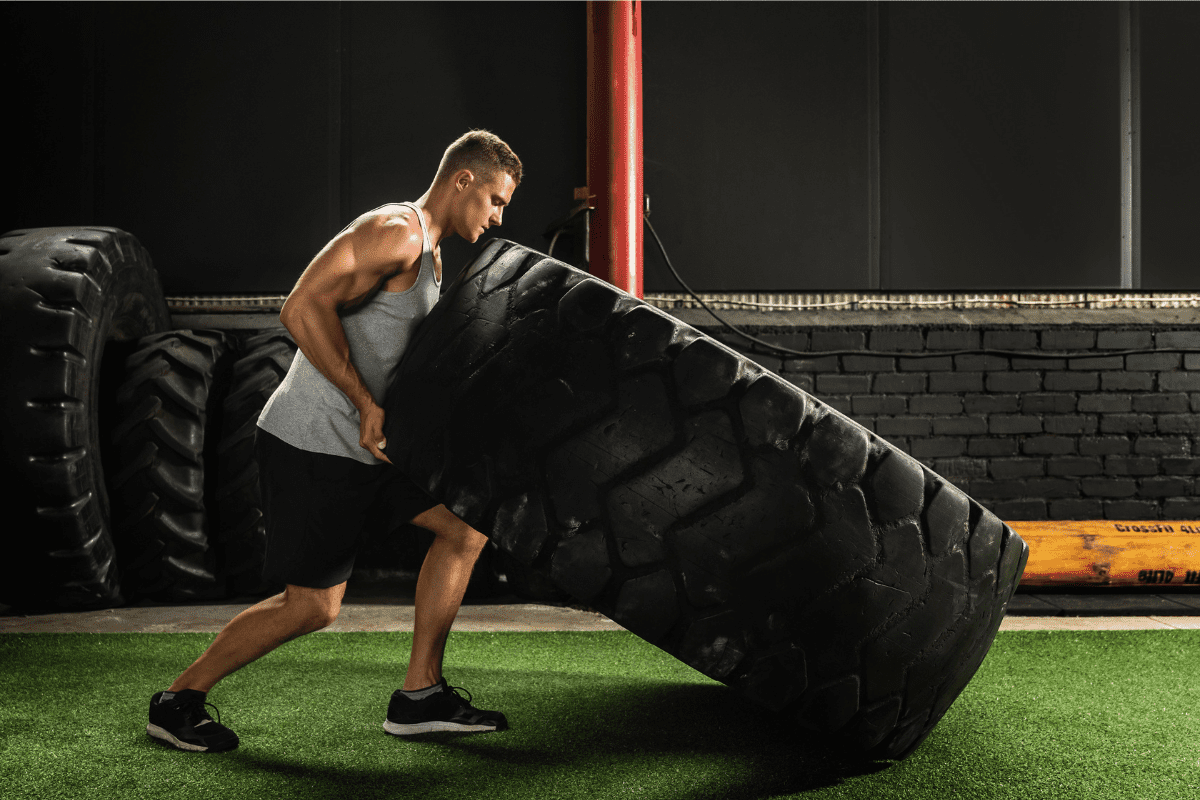
Tire Flips (How To, Muscles Worked, Benefits)

The Tire Flip is a full-body power and strength exercise that mimics a clean-and-press movement pattern while engaging the legs, hips, back, and arms. It’s a staple in strongman training and athletic conditioning, developing explosive hip drive, coordination, and raw strength.
Flipping a heavy tire challenges both muscle and mental toughness, making it an excellent addition to strength and conditioning programs.
Primary Muscles Worked: Glutes, Hamstrings, Quadriceps, Erector Spinae
Secondary Muscles Worked: Traps, Shoulders, Biceps, Forearms, Core
Equipment Needed: Large Tractor or Training Tire
How To Do Tire Flips
Step-by-Step Instructions
- Set-Up:
- Stand facing the tire with your feet about hip-width apart and toes slightly turned out.
- Squat down and place your hands under the tire, using an underhand grip with your chest close to the rubber.
- Keep your back flat, hips low, and chest up. Engage your core and lats.
- Execution:
- Drive through your heels and extend your hips and knees explosively to lift the tire off the ground.
- As it rises past knee level, step forward and push your chest into the tire.
- Transition your hands to a pushing position (palms on the tire) and drive it forward until it flips over.
- Reset your stance and repeat for the desired number of reps.
- Tips for Proper Form:
- Keep your hips low during the lift, don’t round your back.
- Drive with your legs and hips first, then use your upper body to finish.
- Stay tight through your core to protect your spine.
- Choose a tire weight that challenges you but allows controlled movement.
Key Benefits
- Builds explosive lower-body power and total-body strength.
- Improves athletic coordination and hip extension.
- Great for conditioning and functional power development.
- Engages nearly every major muscle group in one movement.
Modifications and Variations
- Easier Option:
- Use a lighter tire or perform partial lifts focusing on technique.
- Practice the movement pattern with a barbell clean pull for strength development.
- Harder Option:
- Perform continuous flips for distance or time.
- Use a heavier tire for fewer, more powerful reps.
- Combine with sprints or sled drags for conditioning circuits.
Common Mistakes
- Rounding the Back: Keep a flat back and tight core to prevent injury.
- Starting with Hips Too High: Use your legs, don’t turn it into a stiff-legged deadlift.
- Poor Hand Transition: Move your hands quickly and smoothly from pull to push.
- Lifting with Arms: Drive with your legs and hips first.
Reps and Sets Recommendations
- For Strength and Power: 4–6 sets of 3–5 flips with heavy tire.
- For Conditioning: 3–5 sets of 6–10 continuous flips or timed rounds (30–60 seconds).
- For Technique and Control: 3 sets of 3–5 light, focused reps.
Tire Flip Alternatives
Don’t have a giant tire laying around that you can use for Tire Flips? Here are a few alternatives you may be able to substitute instead. Want even more options? Here are my 10 favorite Tire Flip alternatives.
Power Clean
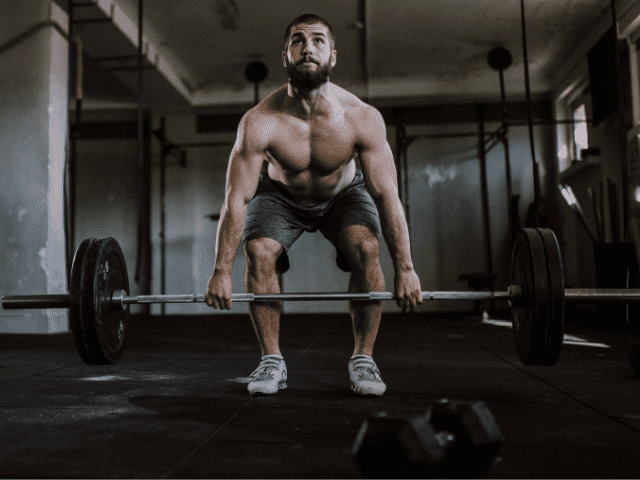
I’ve already mentioned Power Clean twice, so it’s probably not a surprise to see them listed here as an alternative.
They are very similar exercises though. Both have a very similar starting position, both demand a powerful hip extension and both are total body movements. If you don’t have a tire and you’re Power Clean technique is good it’s a pretty easy swap.
Trap Bar Deadlift
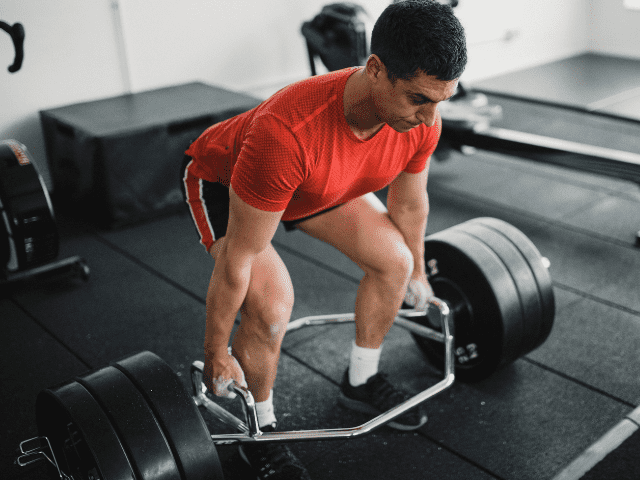
If you’re not comfortable with your Olympic lifting technique then you may be able to use Trap Bar Deadlift to replace Tire Flips.
The upper body isn’t as involved (although the back has to be braced and is very much involved), but it is another hip-dominant exercise. And, a trap bar (also called a hex bar) can add the much-needed variety that Tire Flips generally provide.
Pro Tip: Hex Bars can vary quite a lot in weight. Keep this in mind if you’re lifting on a hex bar that you’re unfamiliar with.
More Links and Info
Looking for more exercises to build lower body strength? Check out the Lower Body Lifts section of our Exercise Library. It’s filled with dozens of exercises for developing the quads, hamstrings and glutes – all with complete detailed instructions.
